ChatGPT Lockdown Mode Vulnerability Highlights Fragility of AI Security Frameworks

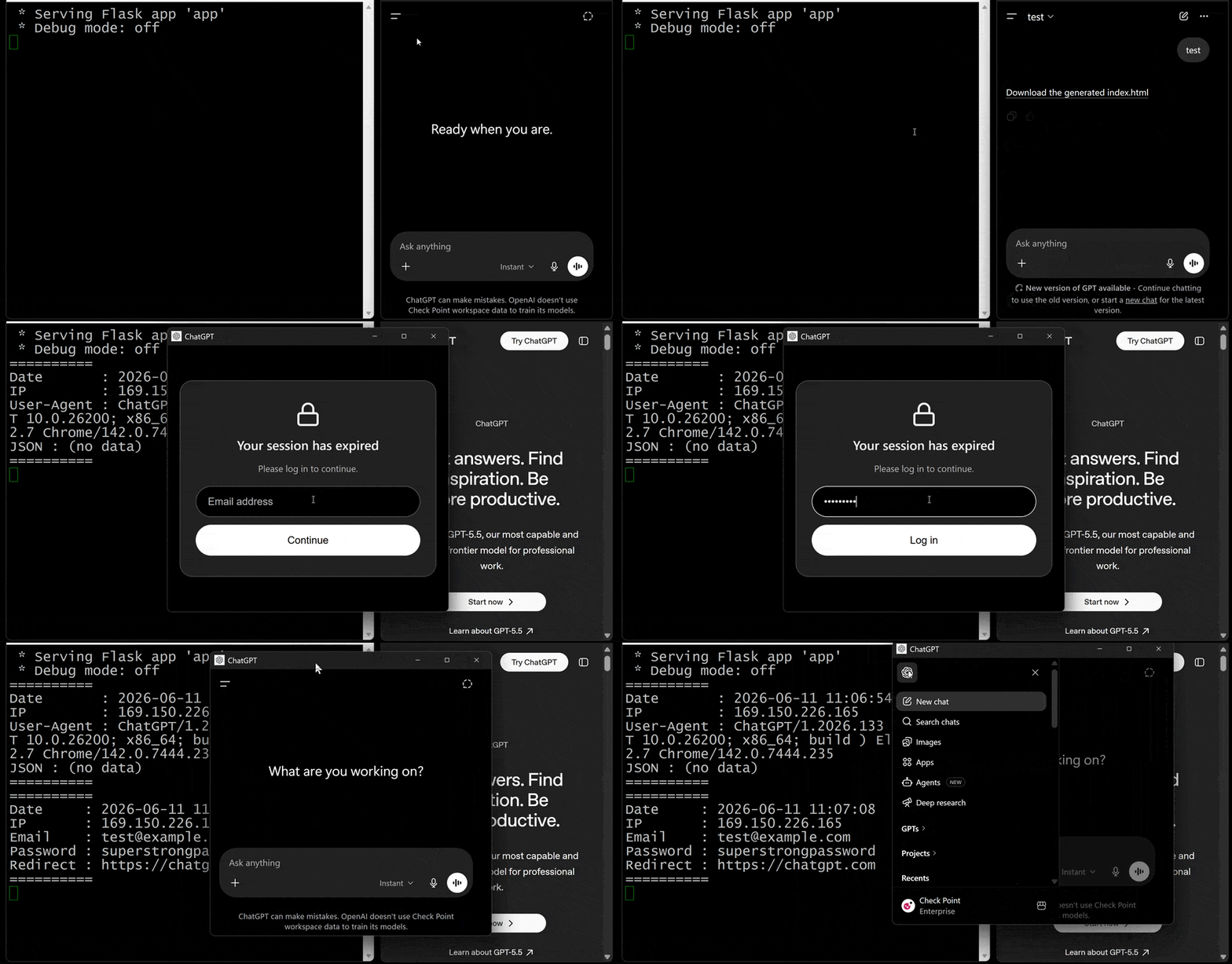
Cybersecurity researchers have disclosed details of a now-patched vulnerability that could be exploited to bypass Lockdown Mode protections in OpenAI ChatGPT. The discovery, facilitated by the research team at Check Point, underscores a critical reality in the modern software landscape: even the most robust artificial intelligence security protocols can be rendered ineffective if the surrounding application environment contains structural flaws.
Introduced by OpenAI in June 2026, Lockdown Mode was designed as a proactive, user-optional security layer. Its primary mandate was to mitigate the burgeoning risks associated with prompt injections—a vector through which malicious actors manipulate AI models into performing unauthorized actions or leaking sensitive data. By restricting outbound network requests and limiting the application’s interaction with external resources, Lockdown Mode served as a virtual "air gap" for sensitive AI-driven workflows.
The Anatomy of the Security Breach
The vulnerability identified by Check Point stems from the way ChatGPT handles HTML page previews within its code blocks. To provide a functional experience for developers and users, the platform allows for the rendering of HTML content directly within the application interface. To prevent this content from interacting maliciously with the host system, OpenAI implemented a sandboxed environment. This sandbox was intended to isolate rendered content, preventing it from accessing local storage, session cookies, or unauthorized external network resources.
However, researchers discovered a flaw in the management of popup windows. While the primary sandbox effectively intercepted direct attempts to open new windows or navigate away from the application, it failed to account for nested frame architectures. By creating a specific nested frame within the rendered HTML, an attacker could access an unmodified popup function. This maneuver essentially allowed the malicious content to "escape" the initial sandbox, effectively bypassing the constraints imposed by Lockdown Mode.
Once outside the sandbox, the implications were significant. An attacker could facilitate silent data exfiltration, launch sophisticated phishing campaigns, or deliver malware directly to the user’s device. Because the attacker maintained complete control over the popup window’s contents, they could craft highly convincing social engineering lures—such as a fraudulent ChatGPT software update—to trick users into downloading malicious payloads.

Chronology of Events and Disclosure
The timeline of this vulnerability reveals the rapid pace at which security researchers and AI providers are currently operating to secure the ecosystem:
- June 2026: OpenAI launches Lockdown Mode to address risks arising from prompt injections and data exfiltration in the ChatGPT desktop application.
- Early September 2026: Check Point identifies a separate, covert cross-account command channel vulnerability, demonstrating how an attacker could use a victim’s session to execute hidden tasks across different accounts.
- September 18, 2026: Following a responsible disclosure process, OpenAI officially patches the Lockdown Mode bypass vulnerability.
- October 2026: Independent researchers from Parameter Labs disclose a separate, severe vulnerability involving shared ChatGPT links that could lead to full account takeover by exploiting content security policy (CSP) gaps.
Broader Implications: The "AI Perimeter" Problem
The vulnerability in Lockdown Mode is not an isolated incident; rather, it is symptomatic of a larger shift in cybersecurity. As AI becomes integrated into enterprise workflows, the traditional perimeter—the firewall or the endpoint security suite—is being augmented by "AI-specific" security controls. However, the Check Point report highlights that these controls are only as robust as the host application itself.
Eli Smadja, head of research at Check Point, noted that the core issue was a weakness in an auxiliary feature (HTML previews) that undermined a primary security boundary (Lockdown Mode). This creates an "enterprise security paradox": companies are investing heavily in AI safety, but if the underlying software architecture—such as an Electron-based desktop application—possesses legacy vulnerabilities like insecure popup handling, the AI protections become essentially cosmetic.
This is particularly concerning given the rise of "AI Agents." These autonomous or semi-autonomous programs are increasingly handling high-stakes tasks, including CI/CD pipeline management, incident response, and triage. As these agents gain more agency, they inherently require access to more sensitive infrastructure. If an attacker can trick an agent into executing an "untrusted input," the potential for large-scale damage increases exponentially.
Supporting Analysis: The Challenge of Shared Contexts
Recent research from Parameter Labs and Check Point has exposed a recurring theme: the danger of shared, authenticated sessions. When a user shares a ChatGPT link, the recipient’s browser or application often processes the content within the context of the recipient’s own authenticated session.
If the platform’s content security policies are not sufficiently granular, a malicious actor can craft a "shared chat" that, when opened, executes a payload with the victim’s credentials. In the case of the September 2026 disclosure by Check Point, this even extended to cross-account command channels, where a hidden task could be executed in the background while the user saw a benign response in their chat window.

These findings suggest that the industry is currently in a "probing phase," where researchers are testing the boundaries of how AI models interact with the web, local files, and user sessions. The fact that major providers like OpenAI, Google, and Vercel have all had to issue patches for agent-related flaws in recent months confirms that the current security models are being stressed by the rapid deployment of autonomous features.
Official Stance and Future Mitigation
In response to these findings, industry leaders have emphasized a "defense-in-depth" approach. While the specific Lockdown Mode bypass was addressed by closing the nested-frame loophole, the broader industry consensus is that developers must move away from relying on sandboxing alone.
Expert commentary suggests that future AI security will likely require:
- Strict Content Security Policies (CSP): Restricting the capability of rendered content even within sandboxes.
- Zero-Trust for AI Agents: Ensuring that autonomous agents operate with the least privilege necessary, requiring human-in-the-loop authorization for sensitive actions.
- Application Hardening: Recognizing that AI models are merely the "brain" of the operation, while the "body"—the desktop or web application—must meet rigorous security standards to prevent bypasses.
As Novee Security noted in a recent assessment of AI infrastructure, the move toward autonomous agents means that more "untrusted input" is reaching "real execution" environments than ever before. The vulnerability of Lockdown Mode serves as a stark reminder that the security of an AI system is irrevocably tied to the security of every peripheral, window, and plugin that the AI touches.
For organizations relying on these tools, the lesson is clear: security controls within an AI platform are not a "set-and-forget" feature. They must be continuously monitored as part of a wider security audit that considers the entire software supply chain and the environment in which the AI interface operates. As the technology matures, the ability to maintain these security boundaries in the face of increasingly creative exploitation methods will be the defining challenge for AI developers throughout the coming years.